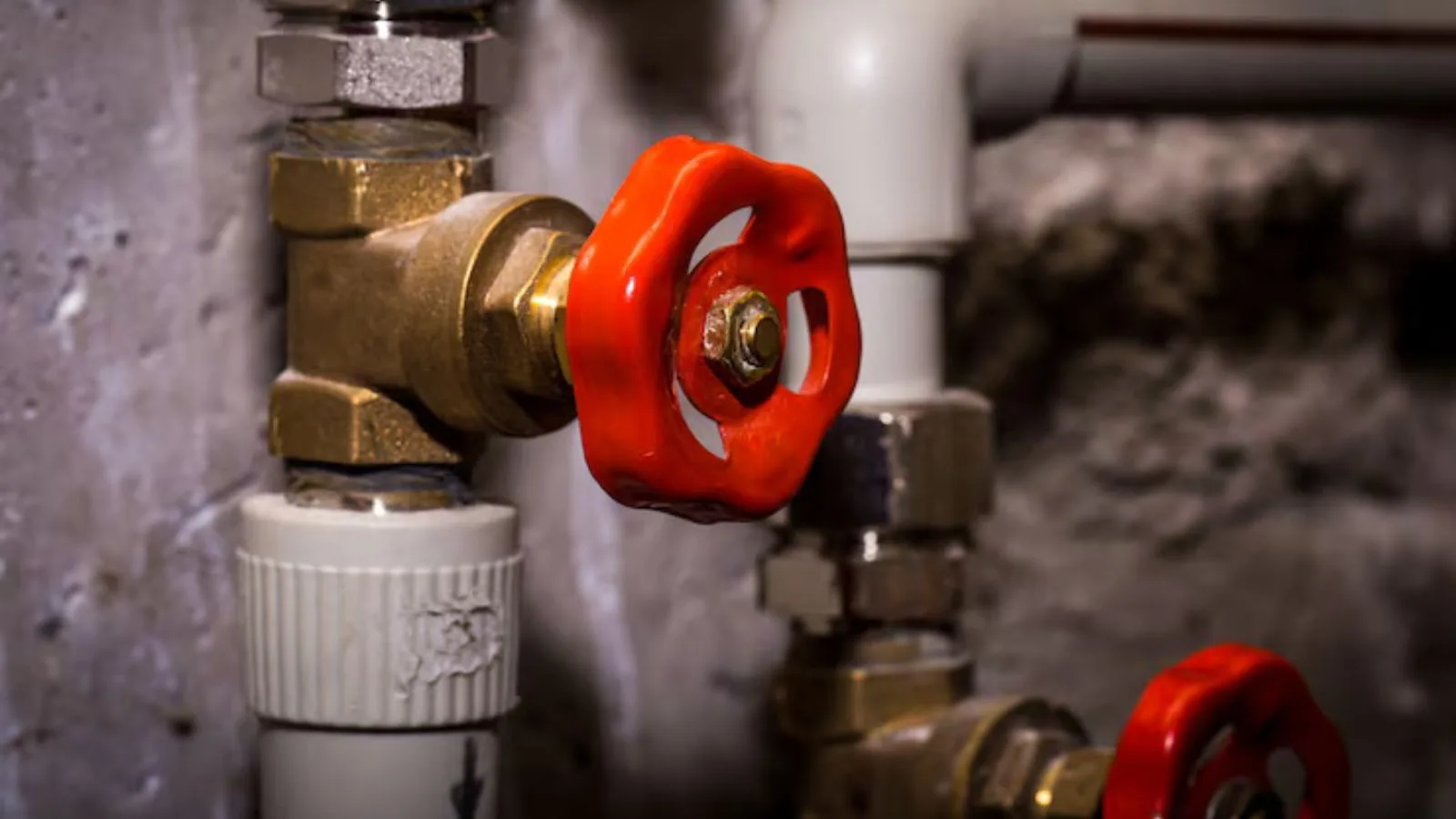
A backflow prevention device stops contaminated water from flowing backward into the clean municipal supply, and many Kennesaw properties, particularly those with irrigation systems or certain commercial configurations, are required to have that device tested annually.
Missing a scheduled annual test isn't just a compliance issue, it also means a genuine safety mechanism may be sitting unverified for another full year without anyone noticing it has quietly failed.
Property owners are typically notified ahead of their test due date, and scheduling early avoids the risk of a lapsed compliance window that some water authorities flag automatically, sometimes restricting service until it's resolved and documentation is filed correctly.
Why Backflow Prevention Matters
Under normal conditions, water flows one direction: from the municipal supply into the home or property. A sudden drop in municipal pressure, like during a water main break or heavy firefighting demand nearby, can reverse that flow, potentially pulling contaminated water from an irrigation system or industrial connection back into the clean water supply. A backflow preventer is a mechanical safeguard against exactly that scenario.
What Annual Testing Involves
A certified test checks that the device's internal check valves are sealing properly and that the relief valve activates correctly under a pressure differential. The results are documented and typically need to be filed with the local water authority, which is why the paperwork matters as much as the mechanical test itself.
Types Of Backflow Preventers
A reduced pressure zone (RPZ) assembly offers the highest level of protection and is typically required for higher-hazard connections, like commercial irrigation with chemical fertilizer injection. A double check valve assembly offers a lower but often sufficient level of protection for standard residential irrigation systems. Which type a property needs depends on the specific hazard level of what's connected to the water line.
Backflow Requirements Around Kennesaw
Cobb County Water System requires backflow prevention on most irrigation systems and many commercial connections, with annual testing enforced through the utility's cross-connection control program. A property that recently added irrigation or changed its commercial water use should confirm whether a new backflow device and annual testing schedule are now required under current code.
Testing appointments are typically scheduled with some flexibility around a property's operating hours, and results are provided in writing the same day for the property owner's records and any required filing.
What Backflow Service Costs In Kennesaw
Real cost depends on the number of devices needing testing, the device type (RPZ versus double check valve), whether a device is failing or just due for routine testing, and travel time to multi-building properties. Properties with multiple devices receive a combined quote for testing all of them in one visit. Want your real number? Call (770) 214-4545.
Test overdue or notice failed on a device?
☎ (770) 214-4545Who Typically Needs Backflow Testing
- Properties with an irrigation or sprinkler system connected directly to the municipal water supply.
- Commercial properties with certain plumbing configurations that local code specifically requires a device for.
- Any property where a previous inspection or water utility notice already flagged a required device that hasn't been addressed.
Commercial properties with broader plumbing needs beyond just backflow testing should see the commercial plumbing page for the full scope of what's typically required across a given property type. Properties on well or private irrigation systems should also see water filtration installation for related water-quality testing. Smyrna's denser commercial corridor generates a comparable share of backflow testing calls.