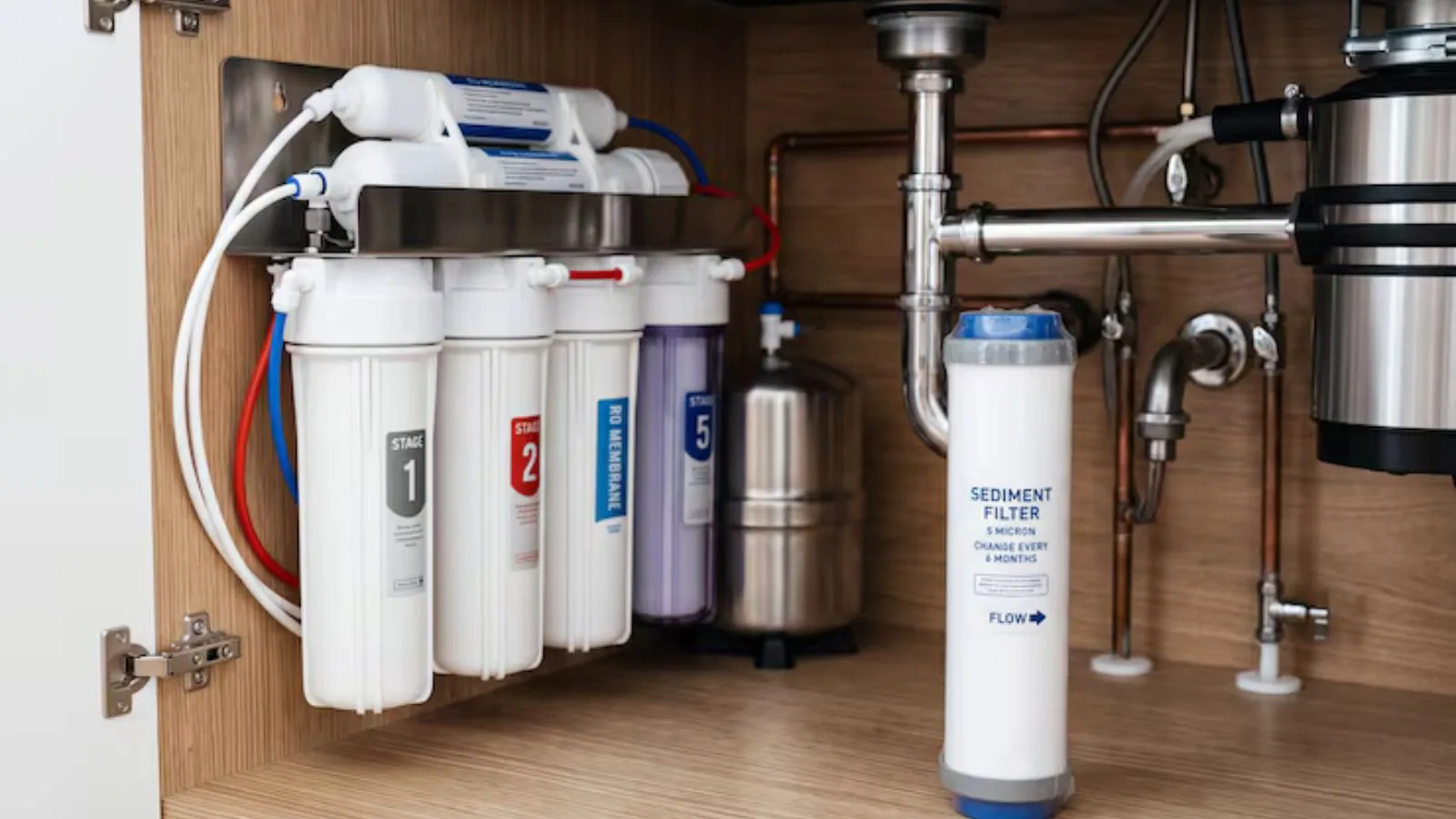
Hard water spots on fixtures and glassware, a noticeable chlorine taste or smell, or sediment in the water are all addressable with the right whole-home filtration or softening system, installed once at the point where water enters the house.
Softener vs. Filtration: Different Problems
A water softener specifically addresses hardness, the mineral content (mostly calcium and magnesium) that causes scale buildup on fixtures, water heaters, and inside pipes over time. A carbon filtration system addresses taste, odor, and chlorine, which a softener doesn't touch at all. Many homes benefit from both, installed as a combined system.
Why It's Worth Doing At The Point Of Entry
A whole-home system treats every single fixture in the house from one installation point, rather than requiring a separate small filter at the kitchen sink and another one for the shower. It also protects appliances like the water heater and dishwasher from scale buildup, which extends their working life measurably.
Testing Before Installing
A water test measures actual hardness (in grains per gallon) and checks for chlorine, sediment, and other specific concerns before recommending a system size, since installing an undersized softener for the home's actual hardness level means it won't keep up with demand. A quick test also catches whether the concern is really hardness at all, versus a taste or odor issue that a softener alone wouldn't actually fix on its own.
Cobb County's Water Profile
Cobb County Water System's municipal water supply runs moderately hard and is treated with chlorine for disinfection purposes, which explains the two most common complaints driving filtration calls here: scale buildup from hardness and a noticeable chlorine taste or smell from the treatment process itself. A combined softener and carbon filtration system addresses both in one installation.
Installation of a whole-home system, including the point-of-entry connection and initial setup, is typically completed within a single day, and a technician walks through basic maintenance, like salt refills for a softener, before leaving.
What Filtration Systems Cost In Kennesaw
Real cost depends on household water usage, the water hardness level measured during testing, whether softening, filtration, or both are needed, and the specific system capacity required. Cost varies with household size and the system capacity needed to match it. Want your real number? Call (770) 214-4545.
Dealing with hard water, sediment, or bad-tasting tap water day to day?
☎ (770) 214-4545| Factor | Water Softener | Carbon Filtration |
|---|---|---|
| Fixes | Hardness/scale buildup | Taste, odor, chlorine |
| Protects appliances | Yes | No |
What A Water Test Checks For
- Hardness level, measured in grains per gallon, which determines the right softener sizing for the specific home.
- Chlorine, sediment, and pH balance, which point toward the right type of carbon filtration to install.
- Iron or sulfur content, which some homes on well-adjacent supply lines need addressed with a separate treatment stage first.
Homes running a tankless water heater specifically should also see tankless water heater service, since a softener slows the mineral scale buildup that drives most tankless service calls. Homes seeing recurring faucet or fixture wear from hard water should also see faucet and sink repair for what that mineral buildup looks like at the individual fixture level over time. Mableton's newer construction runs on the same moderately hard Cobb County supply.