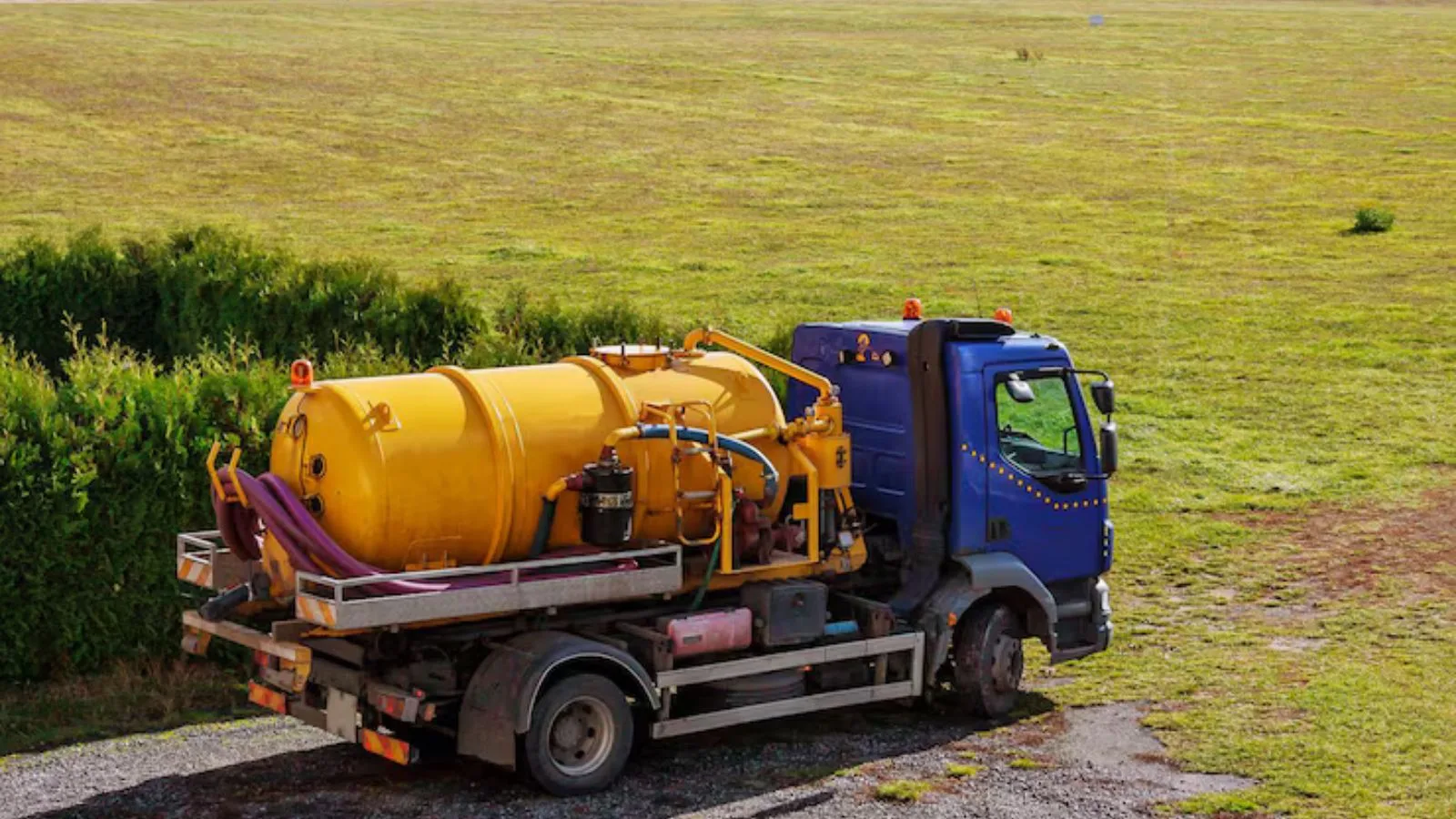
A septic system that's overdue for pumping shows up as slow drains throughout the house, a sewage odor near the tank or drain field, or a soggy patch of grass over the drain field even without recent rain. Regular pumping on schedule avoids all three.
Catching the schedule before any of these symptoms appear is always cheaper and less disruptive than responding to an active backup later.
Why Regular Pumping Matters
Solid waste settles at the bottom of a septic tank and builds up over years. Once it accumulates past a certain level, solids start flowing into the drain field, which can clog the field's soil absorption capacity permanently, a repair that costs far more than routine pumping ever would.
How Often Pumping Is Actually Needed
A typical household septic tank needs pumping every 3 to 5 years, though the right interval depends on tank size and household size. A larger household or an undersized tank may need it more often, while a smaller household with a properly sized tank can sometimes stretch the interval slightly.
Protecting The Drain Field
Parking vehicles or building structures over the drain field compacts the soil and reduces its ability to absorb effluent, sometimes permanently. Planting trees with aggressive root systems nearby causes the same root intrusion problem a municipal sewer line faces, just inside the drain field's distribution pipes instead. Avoiding both is as important to system longevity as the pumping schedule itself.
Septic Systems On The Edges Of Kennesaw
Properties on larger lots at Kennesaw's outer edges, further from the Cobb County municipal sewer grid, are more likely to still run on a private septic system than homes closer to the city center. Red clay soil's slower drainage also affects how well a drain field absorbs effluent, which is a real factor in how often a specific property's system needs attention.
A standard pumping visit, including locating and uncovering the tank access if needed, typically takes 30 to 60 minutes, and same-day emergency pumping is available for a system showing active backup symptoms.
What Septic Pumping Costs In Kennesaw
Real cost depends on tank size, how easy the tank access point is to reach, how long it's been since the last pumping, and whether it's scheduled or emergency service. Larger tanks or tanks with difficult access may cost more. Want your real number? Call (770) 214-4545.
Slow drains or a soggy patch over the drain field?
☎ (770) 214-4545Signs Your Septic Tank Needs Pumping
- Slow drains throughout the house, not just one isolated fixture, which points toward the tank rather than a local clog.
- A sewage smell near the tank lid or drain field, especially noticeable after rain.
- Standing water or unusually lush, green grass over the drain field even without recent watering.
- It has been 3 or more years since the last documented pumping, which is worth checking against maintenance records.
Slow drains inside the house that turn out to be a fixture-level clog rather than a full septic system issue are covered on the drain cleaning page. A sewer line problem between the house and the tank is covered separately on the sewer line repair page. Properties on Acworth's larger outer-edge lots near Acworth are the most likely in this network to still run on a private septic system.